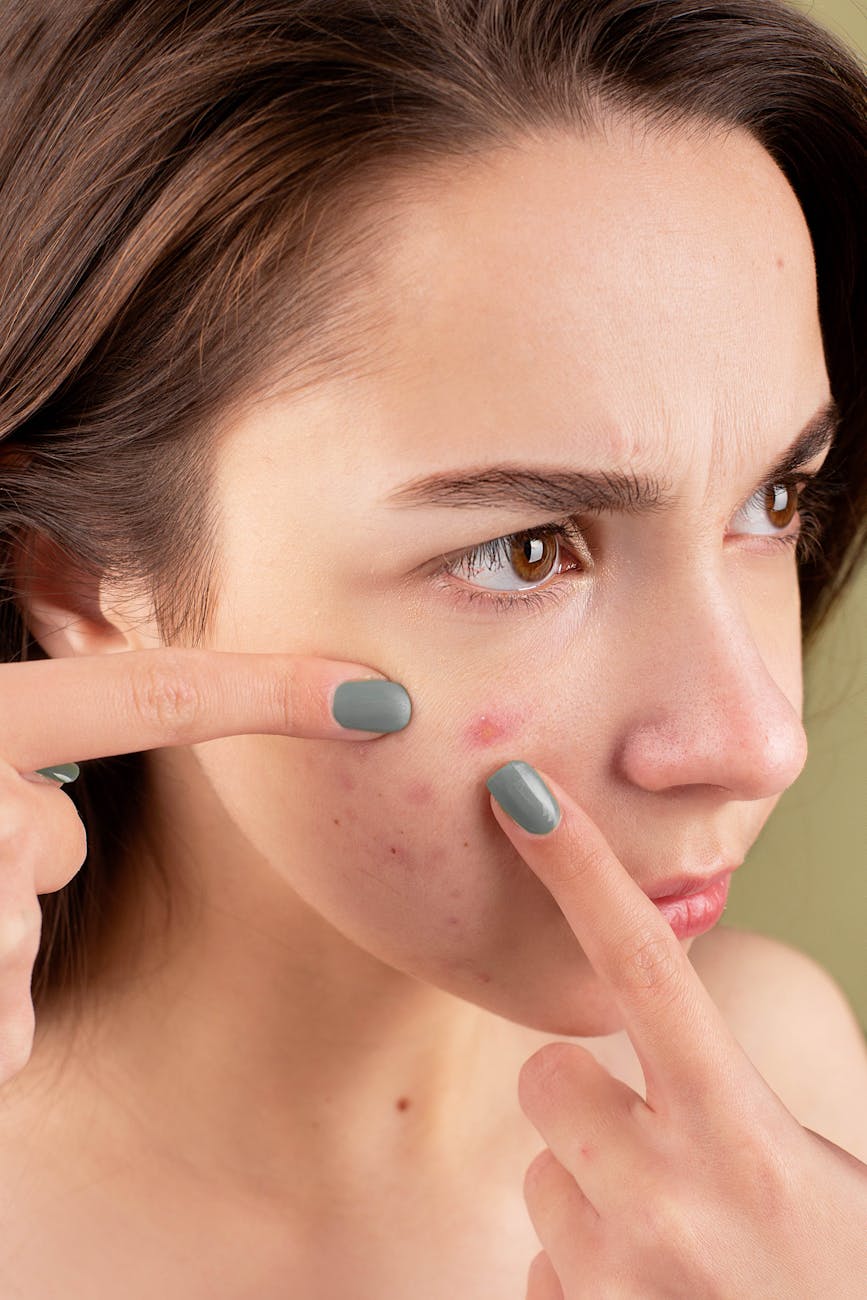
Achieving clear and healthy skin can feel like a constant battle, especially when dealing with conditions like acne, eczema, and psoriasis. Understanding the causes of these skin issues and finding effective home remedies can help you attain the radiant skin you desire. This comprehensive guide will explore 10 home remedies for clear skin and delve into the underlying causes of acne, eczema, and psoriasis. Let’s embark on a journey to enhance your skin’s health naturally and boost your confidence.
Understanding Common Skin Conditions
Acne
Acne is a common skin condition that occurs when hair follicles become clogged with oil and dead skin cells. It typically appears on the face, forehead, chest, upper back, and shoulders. Acne can manifest as whiteheads, blackheads, pimples, or cystic lesions.
Eczema
Eczema, or atopic dermatitis, is a chronic skin condition that causes red, itchy, and inflamed patches of skin. It can occur anywhere on the body but is most commonly found on the face, hands, feet, and inner elbows.
Psoriasis
Psoriasis is a chronic autoimmune condition that speeds up the life cycle of skin cells, causing them to build up rapidly on the surface of the skin. This results in thick, red patches covered with silvery scales, often accompanied by itching or soreness.
Common Causes of Acne, Eczema, and Psoriasis
Causes of Acne
- Hormonal Changes: Hormonal fluctuations during puberty, menstruation, pregnancy, and menopause can trigger acne.
- Diet: Foods high in sugar, dairy products, and greasy foods can contribute to acne.
- Stress: Stress increases the production of cortisol, which can lead to increased oil production and acne breakouts.
- Genetics: A family history of acne can increase your risk.
- Skincare Products: Using products that clog pores or irritate the skin can cause acne.
- Medications: Certain medications, such as corticosteroids, can trigger acne.
- Environmental Factors: Pollution and high humidity can exacerbate acne.
- Lifestyle Factors: Poor hygiene, lack of sleep, and an unhealthy diet can contribute to acne.
- Friction or Pressure on the Skin: Wearing tight clothing or using sports equipment can cause acne.
- Bacteria: Propionibacterium acnes (P. acnes) bacteria can cause inflammation and lead to acne.
Causes of Eczema
- Genetics: A family history of eczema or other allergies increases your risk.
- Environmental Triggers: Exposure to allergens, such as pollen, pet dander, or dust mites, can trigger eczema.
- Skin Irritants: Soaps, detergents, fragrances, and certain fabrics can irritate the skin.
- Weather Conditions: Dry or cold weather can exacerbate eczema symptoms.
- Immune System: An overactive immune system response can trigger eczema.
- Stress: Stress can worsen eczema symptoms.
- Infections: Bacterial, viral, or fungal infections can trigger eczema flare-ups.
- Sweating: Excessive sweating can irritate the skin and cause eczema.
- Diet: Certain foods, such as dairy, nuts, and wheat, can trigger eczema in some people.
- Hormonal Changes: Hormonal fluctuations, particularly in women, can worsen eczema symptoms.
Causes of Psoriasis
- Genetics: A family history of psoriasis increases your risk.
- Immune System: Psoriasis is an autoimmune condition where the immune system attacks healthy skin cells.
- Infections: Bacterial or viral infections can trigger psoriasis flare-ups.
- Stress: Stress can worsen psoriasis symptoms.
- Skin Injuries: Cuts, scrapes, sunburns, or other skin injuries can trigger psoriasis.
- Weather: Cold, dry weather can exacerbate psoriasis.
- Smoking: Smoking can increase the risk and severity of psoriasis.
- Alcohol: Heavy alcohol consumption can worsen psoriasis symptoms.
- Medications: Certain medications, such as lithium, beta-blockers, and antimalarials, can trigger psoriasis.
- Hormonal Changes: Hormonal fluctuations can influence psoriasis symptoms.
10 Home Remedies for Clear Skin
1. Aloe Vera
Aloe vera has anti-inflammatory and antibacterial properties that can help soothe irritated skin and reduce acne. Apply fresh aloe vera gel directly to the affected area and leave it on for 20 minutes before rinsing off.
2. Honey
Honey is a natural humectant and has antimicrobial properties. Apply raw honey to your skin and leave it on for 15-20 minutes before washing it off with warm water. This can help moisturize the skin and reduce acne.
3. Tea Tree Oil
Tea tree oil has antimicrobial properties that can help fight acne-causing bacteria. Dilute tea tree oil with a carrier oil (such as coconut oil) and apply it to the affected areas. Leave it on for 15 minutes before rinsing off.
4. Oatmeal
Oatmeal has anti-inflammatory properties and can help soothe eczema and psoriasis. Prepare an oatmeal bath by adding 1 cup of colloidal oatmeal to warm bathwater. Soak for 15-20 minutes to relieve itching and irritation.
5. Coconut Oil
Coconut oil is a natural moisturizer with anti-inflammatory properties. Apply virgin coconut oil to the affected areas to soothe eczema and psoriasis and keep the skin hydrated.
6. Apple Cider Vinegar
Apple cider vinegar has antibacterial properties and can help balance the skin’s pH. Dilute apple cider vinegar with water and apply it to acne-prone areas using a cotton ball. Leave it on for 10 minutes before rinsing off.
7. Turmeric
Turmeric has anti-inflammatory and antioxidant properties. Create a paste by mixing turmeric powder with water or honey and apply it to the affected areas. Leave it on for 15-20 minutes before rinsing off.
8. Cucumber
Cucumber has cooling and hydrating properties that can help soothe irritated skin. Apply thin slices of cucumber to the affected areas or blend cucumber into a paste and apply it to your skin. Leave it on for 15 minutes before rinsing off.
9. Green Tea
Green tea has antioxidant and anti-inflammatory properties. Brew green tea, allow it to cool, and use it as a toner by applying it to your skin with a cotton ball. This can help reduce acne and soothe irritated skin.
10. Epsom Salt
Epsom salt can help exfoliate the skin and reduce inflammation. Add 1-2 cups of Epsom salt to a warm bath and soak for 15-20 minutes to relieve symptoms of eczema and psoriasis.
Lifestyle Changes to Prevent Skin Issues
In addition to these home remedies, making certain lifestyle changes can help prevent skin issues and promote clear skin:
- Maintain a Healthy Diet: Eat a balanced diet rich in fruits, vegetables, whole grains, lean proteins, and healthy fats. Avoid foods that can trigger skin issues.
- Stay Hydrated: Drink plenty of water to keep your skin hydrated.
- Get Regular Exercise: Physical activity can improve circulation and promote healthy skin.
- Practice Good Hygiene: Wash your face twice daily with a gentle cleanser and avoid touching your face with dirty hands.
- Manage Stress: Practice stress-relief techniques such as yoga, meditation, or deep breathing exercises to reduce stress and prevent flare-ups.
- Avoid Harsh Skincare Products: Use gentle, non-comedogenic products that do not clog pores or irritate the skin.
- Protect Your Skin from the Sun: Use sunscreen with at least SPF 30 and wear protective clothing to prevent sun damage.
- Get Enough Sleep: Aim for 7-9 hours of quality sleep each night to allow your skin to repair and regenerate.
- Avoid Smoking and Alcohol: Smoking and excessive alcohol consumption can worsen skin conditions and hinder skin health.
- Consult a Dermatologist: Regular check-ups with a dermatologist can help manage skin conditions and provide personalized skincare recommendations.
When to See a Doctor
While home remedies and lifestyle changes can effectively manage most cases of acne, eczema, and psoriasis, it’s important to consult a healthcare professional if you experience:
- Persistent or severe symptoms that don’t improve with self-care
- Symptoms that interfere with your daily activities and quality of life
- Signs of infection, such as increased redness, warmth, swelling, or pus
- New or unusual skin changes that concern you
These symptoms may indicate a more serious underlying condition that requires medical attention.
Conclusion
Achieving clear and healthy skin can be managed effectively with home remedies and lifestyle changes. By understanding the causes of acne, eczema, and psoriasis and implementing these natural remedies, you can alleviate symptoms and improve your overall skin health. If your symptoms persist or worsen, seek medical advice to ensure there are no underlying health concerns.
Meta Description:
Discover 10 effective home remedies and understand the causes of acne, eczema, and psoriasis. Learn how to achieve clear skin naturally and improve your overall skin health with these simple tips.
Long Keywords:
natural remedies for clear skin, causes of acne and eczema, home remedies for psoriasis, effective acne relief, managing eczema naturally, improve overall skin health, holistic skin care, prevent chronic skin conditions, natural solutions for skin issues, understanding skin condition causes and remedies
Leave a Reply