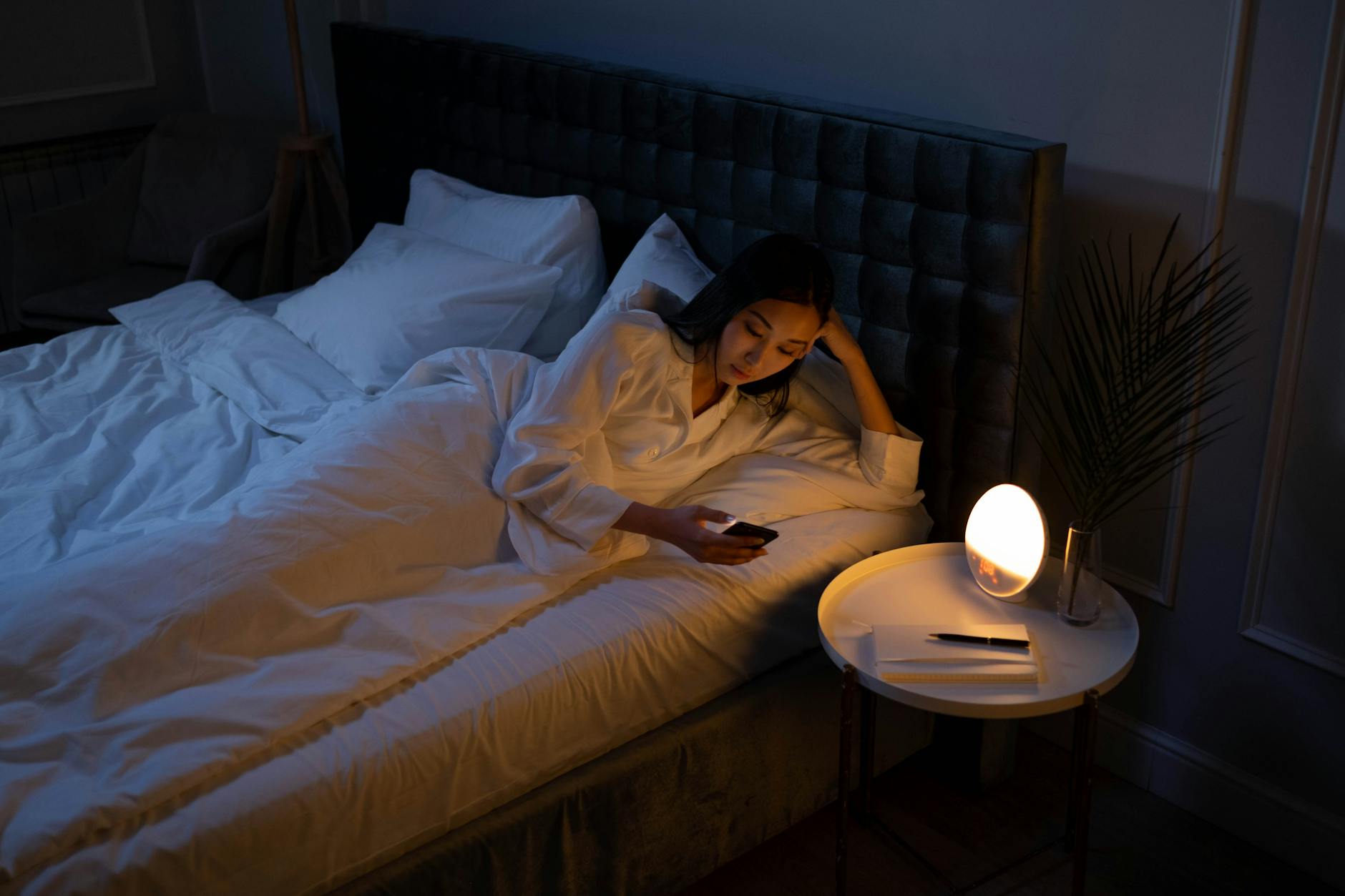
Sleep is a vital component of our overall health and well-being. However, many people struggle with sleep disorders such as insomnia and sleep apnea, which can significantly impact their quality of life. This article will explore 10 home remedies to improve sleep and discuss the underlying causes of insomnia and sleep apnea. Let’s embark on a journey to achieve better sleep naturally and enhance your overall health.
Understanding Sleep Disorders
Insomnia
Insomnia is characterized by difficulty falling asleep, staying asleep, or waking up too early and not being able to go back to sleep. This condition can lead to daytime fatigue, mood disturbances, and impaired functioning.
Sleep Apnea
Sleep apnea is a serious sleep disorder in which breathing repeatedly stops and starts. Obstructive sleep apnea (OSA) is the most common type and occurs when throat muscles intermittently relax and block the airway during sleep. Central sleep apnea, less common, occurs when the brain doesn’t send proper signals to the muscles that control breathing.
Common Causes of Insomnia
1. Stress and Anxiety
Stress and anxiety can make it difficult to fall asleep or stay asleep. Worrying about daily life, work, or personal issues can keep the mind active and prevent relaxation.
2. Poor Sleep Habits
Irregular sleep schedules, napping during the day, and stimulating activities before bed can disrupt sleep patterns.
3. Medical Conditions
Chronic pain, gastrointestinal problems, and other medical conditions can interfere with sleep.
4. Medications
Certain medications, such as those for asthma, depression, or blood pressure, can cause insomnia as a side effect.
5. Caffeine, Nicotine, and Alcohol
Caffeine and nicotine are stimulants that can interfere with sleep, while alcohol can disrupt sleep patterns despite its initial sedative effect.
6. Environmental Factors
Noise, light, and uncomfortable temperatures can make it hard to sleep.
7. Poor Diet
A diet high in sugar and processed foods can affect sleep quality.
8. Lack of Physical Activity
Sedentary lifestyles can contribute to poor sleep.
9. Hormonal Changes
Hormonal changes due to menopause or thyroid issues can disrupt sleep.
10. Sleep Disorders
Other sleep disorders, such as restless legs syndrome or sleep apnea, can contribute to insomnia.
Common Causes of Sleep Apnea
1. Obesity
Excess weight can contribute to obstructive sleep apnea by causing fat deposits around the upper airway.
2. Neck Circumference
A thicker neck can narrow the airway and increase the risk of obstructive sleep apnea.
3. Age
Sleep apnea is more common in older adults.
4. Family History
Genetic factors can increase the risk of sleep apnea.
5. Alcohol, Sedatives, and Tranquilizers
These substances relax the muscles in your throat, which can worsen obstructive sleep apnea.
6. Smoking
Smokers are more likely to have sleep apnea than non-smokers.
7. Nasal Congestion
Nasal congestion, whether from an anatomical problem or allergies, can cause difficulty breathing and sleep apnea.
8. Medical Conditions
Conditions such as congestive heart failure and high blood pressure can increase the risk of sleep apnea.
9. Gender
Men are more likely to have sleep apnea than women, but the risk increases for women after menopause.
10. Sleep Position
Sleeping on your back can worsen obstructive sleep apnea.
10 Home Remedies for Better Sleep
1. Establish a Regular Sleep Schedule
Go to bed and wake up at the same time every day, even on weekends, to regulate your body’s internal clock.
2. Create a Relaxing Bedtime Routine
Engage in calming activities before bed, such as reading, listening to soothing music, or taking a warm bath.
3. Optimize Your Sleep Environment
Make sure your bedroom is dark, quiet, and cool. Consider using blackout curtains, earplugs, or a white noise machine.
4. Limit Screen Time
Avoid screens from TVs, computers, and phones at least an hour before bed. The blue light emitted by screens can interfere with melatonin production and disrupt sleep.
5. Watch What You Eat and Drink
Avoid large meals, caffeine, and alcohol before bed. Instead, opt for a light snack if you’re hungry.
6. Get Regular Exercise
Regular physical activity can help you fall asleep faster and enjoy deeper sleep. However, avoid vigorous exercise close to bedtime.
7. Manage Stress and Anxiety
Practice relaxation techniques such as deep breathing, meditation, or yoga to calm your mind and body.
8. Try Natural Supplements
Consider natural sleep aids like melatonin, valerian root, and chamomile tea to promote relaxation and improve sleep quality. Consult with a healthcare provider before starting any new supplements.
9. Stay Hydrated
Dehydration can disrupt sleep, so ensure you drink enough water throughout the day. However, limit fluid intake close to bedtime to avoid nighttime trips to the bathroom.
10. Practice Mindfulness
Mindfulness techniques can help you stay present and reduce stress. Try practicing mindfulness meditation or progressive muscle relaxation before bed.
Lifestyle Changes to Prevent Insomnia and Sleep Apnea
In addition to these home remedies, making certain lifestyle changes can help prevent insomnia and sleep apnea:
- Maintain a Healthy Weight: Losing weight can reduce the risk of obstructive sleep apnea and improve overall sleep quality.
- Avoid Smoking: Smoking cessation can reduce the risk of sleep apnea and improve lung health.
- Reduce Alcohol Consumption: Limiting alcohol intake can prevent the relaxation of throat muscles and reduce sleep apnea symptoms.
- Sleep on Your Side: Sleeping on your side instead of your back can help prevent the airway from collapsing and reduce sleep apnea symptoms.
- Elevate Your Head: Using an adjustable bed or a pillow to elevate your head can help keep your airway open.
- Stay Active: Incorporate physical activity into your daily routine to improve overall fitness and sleep quality.
- Manage Chronic Conditions: Work with your healthcare provider to manage any chronic conditions that may be affecting your sleep.
- Avoid Heavy Meals Late at Night: Eating large or spicy meals before bed can cause discomfort and disrupt sleep.
- Establish a Relaxing Bedtime Routine: Engage in calming activities before bed to signal to your body that it’s time to sleep.
- Seek Professional Help: If lifestyle changes and home remedies are not effective, consider seeking help from a sleep specialist for further evaluation and treatment.
When to See a Doctor
While home remedies and lifestyle changes can effectively manage most cases of insomnia and sleep apnea, it’s important to consult a healthcare professional if you experience:
- Persistent or severe insomnia that doesn’t improve with self-care
- Loud snoring or gasping for air during sleep
- Daytime sleepiness or fatigue despite getting enough sleep
- Difficulty concentrating or memory problems
- Mood disturbances or irritability
- Symptoms that interfere with your daily activities and quality of life
These symptoms may indicate a more serious underlying condition that requires medical attention.
Conclusion
Insomnia and sleep apnea can be managed effectively with home remedies and lifestyle changes. By understanding the causes and implementing these natural remedies, you can improve your sleep quality and enhance your overall well-being. If your symptoms persist or worsen, seek medical advice to ensure there are no underlying health concerns.
Meta Description:
Discover 10 effective home remedies and understand the causes of insomnia and sleep apnea. Learn how to achieve better sleep naturally and improve your overall well-being with these simple tips.
Long Keywords:
natural remedies for insomnia, causes of sleep apnea, home remedies for better sleep, effective insomnia relief, managing sleep apnea naturally, improve overall sleep quality, holistic sleep management, prevent chronic insomnia, natural solutions for sleep apnea, understanding sleep disorder causes and remedies
Leave a Reply