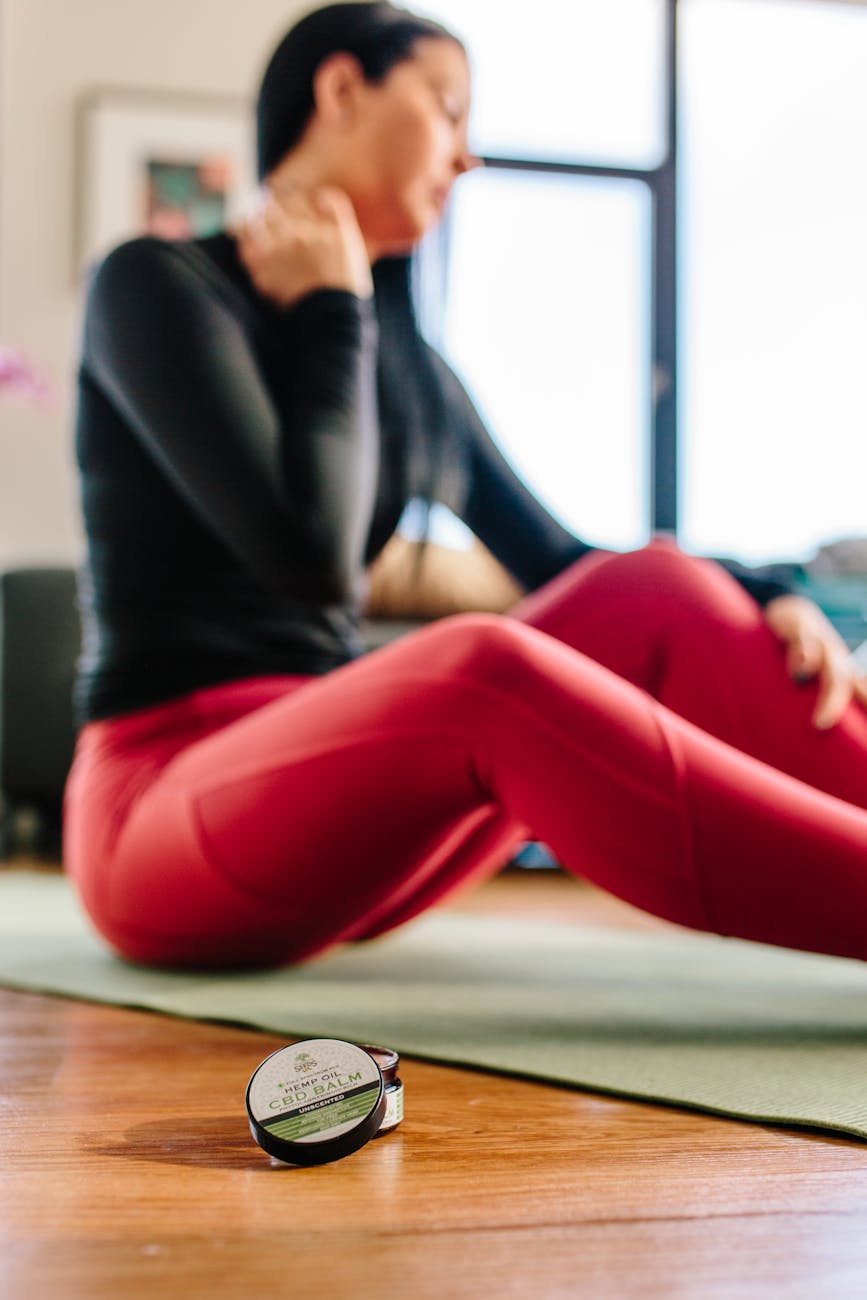
Pain in various parts of the body, such as the back, neck, legs, hands, and feet, can significantly impact our daily lives. Understanding the causes and finding effective home remedies can help manage and alleviate these discomforts naturally. In this comprehensive guide, we’ll explore 10 home remedies for each type of pain and delve into their causes. Let’s embark on a journey to improve your overall well-being and live a pain-free life.
Understanding Different Types of Pain
1. Back Pain
Back pain is one of the most common complaints and can range from a dull ache to a sharp, shooting pain. It can be caused by muscle strain, poor posture, herniated discs, or underlying medical conditions such as arthritis or osteoporosis.
2. Neck Pain
Neck pain can result from muscle strain, poor posture, injuries, or degenerative diseases. It often manifests as stiffness, soreness, or sharp pain and can sometimes radiate to the shoulders or arms.
3. Leg Pain
Leg pain can be caused by muscle cramps, injuries, poor circulation, or conditions like sciatica or arthritis. It can range from a dull ache to sharp, stabbing pain and may be accompanied by swelling or numbness.
4. Hand Pain
Hand pain can result from overuse, injuries, arthritis, or conditions like carpal tunnel syndrome. Symptoms may include pain, swelling, stiffness, and numbness.
5. Foot Pain
Foot pain can be caused by injuries, overuse, poor footwear, or conditions such as plantar fasciitis, bunions, or arthritis. It can range from mild discomfort to severe pain that affects mobility.
Causes of Back, Neck, Leg, Hand, and Foot Pain
Understanding the underlying causes of pain can help you manage and prevent it more effectively:
Causes of Back Pain
- Muscle Strain: Overstretching or tearing muscles or ligaments can cause back pain.
- Poor Posture: Slouching or improper sitting and standing postures can strain the back.
- Herniated Discs: Discs that cushion the vertebrae can slip or rupture, causing pain.
- Arthritis: Osteoarthritis and rheumatoid arthritis can affect the spine and cause back pain.
- Osteoporosis: Weakening of the bones can lead to fractures and pain in the back.
Causes of Neck Pain
- Muscle Strain: Overuse or poor posture can strain neck muscles.
- Injuries: Whiplash or other neck injuries can cause pain and stiffness.
- Degenerative Diseases: Conditions like cervical spondylosis or herniated discs can cause neck pain.
- Poor Ergonomics: Improper workstation setup can lead to neck pain.
- Stress: Emotional stress can cause muscle tension and pain in the neck.
Causes of Leg Pain
- Muscle Cramps: Dehydration or electrolyte imbalances can cause leg cramps.
- Injuries: Sprains, strains, or fractures can cause leg pain.
- Poor Circulation: Conditions like deep vein thrombosis or peripheral artery disease can cause leg pain.
- Sciatica: Compression of the sciatic nerve can cause pain that radiates down the leg.
- Arthritis: Inflammation of the joints in the legs can cause pain and stiffness.
Causes of Hand Pain
- Overuse: Repetitive motions can cause pain and inflammation in the hands.
- Injuries: Sprains, fractures, or dislocations can cause hand pain.
- Arthritis: Osteoarthritis and rheumatoid arthritis can affect the hands.
- Carpal Tunnel Syndrome: Compression of the median nerve can cause pain and numbness.
- Tendinitis: Inflammation of the tendons can cause pain and stiffness.
Causes of Foot Pain
- Injuries: Sprains, fractures, or overuse injuries can cause foot pain.
- Poor Footwear: Wearing improper shoes can lead to foot pain.
- Plantar Fasciitis: Inflammation of the plantar fascia can cause heel pain.
- Bunions: Bony bumps on the joint at the base of the big toe can cause pain.
- Arthritis: Inflammation of the joints in the feet can cause pain and stiffness.
10 Home Remedies for Back Pain
1. Heat and Cold Therapy
Applying a heating pad or ice pack to the affected area can help reduce inflammation and relieve pain. Use heat for muscle relaxation and cold for reducing inflammation.
2. Gentle Stretching
Perform gentle stretching exercises to improve flexibility and reduce muscle tension. Yoga poses like the cat-cow stretch and child’s pose can be beneficial.
3. Massage Therapy
Massage therapy can help relieve muscle tension and improve blood flow. Consider a professional massage or use a foam roller for self-massage.
4. Epsom Salt Bath
Soaking in a warm bath with Epsom salt can help relax muscles and reduce pain. Epsom salt contains magnesium, which can help ease muscle tension.
5. Stay Active
Engage in low-impact activities such as walking, swimming, or cycling to keep your muscles active and reduce stiffness.
6. Maintain Good Posture
Be mindful of your posture while sitting, standing, and sleeping. Use ergonomic furniture and avoid slouching.
7. Use Supportive Shoes
Wear shoes with proper arch support and cushioning to reduce strain on your back.
8. Apply Topical Analgesics
Over-the-counter creams or gels containing menthol or capsaicin can provide temporary relief from back pain.
9. Acupuncture
Acupuncture can help relieve back pain by stimulating specific points on the body to release pain-relieving chemicals.
10. Stay Hydrated
Drink plenty of water to keep your muscles hydrated and reduce the risk of muscle cramps and pain.
10 Home Remedies for Neck Pain
1. Neck Exercises
Perform gentle neck exercises to improve flexibility and reduce tension. Try neck rotations, side bends, and forward bends.
2. Heat Therapy
Apply a warm compress or heating pad to the neck to relax muscles and reduce pain.
3. Cold Therapy
Use an ice pack to reduce inflammation and numb the pain in the neck.
4. Good Posture
Maintain proper posture while sitting, standing, and sleeping. Use ergonomic pillows and chairs.
5. Massage
Gently massage the neck and shoulders to relieve muscle tension. Consider using essential oils like lavender or peppermint for added relaxation.
6. Stay Active
Engage in regular physical activity to improve overall muscle strength and flexibility.
7. Hydration
Drink plenty of water to keep your muscles hydrated and reduce the risk of cramps and pain.
8. Ergonomic Workstation
Set up an ergonomic workstation to reduce strain on your neck. Adjust your computer monitor to eye level and use a chair with good lumbar support.
9. Acupuncture
Acupuncture can help relieve neck pain by stimulating specific points on the body to release pain-relieving chemicals.
10. Relaxation Techniques
Practice relaxation techniques such as deep breathing, meditation, or yoga to reduce stress and muscle tension.
10 Home Remedies for Leg Pain
1. Rest and Elevation
Rest your legs and elevate them to reduce swelling and pain. Use pillows to prop up your legs while resting.
2. Compression
Wear compression stockings to improve circulation and reduce swelling in the legs.
3. Gentle Stretching
Perform gentle stretching exercises to improve flexibility and reduce muscle tension. Try calf stretches, hamstring stretches, and quad stretches.
4. Massage
Massage your legs to relieve muscle tension and improve blood flow. Use a foam roller or seek professional massage therapy.
5. Heat Therapy
Apply a heating pad or warm compress to the affected area to relax muscles and reduce pain.
6. Cold Therapy
Use an ice pack to reduce inflammation and numb the pain in the legs.
7. Stay Active
Engage in low-impact activities such as walking, swimming, or cycling to keep your muscles active and reduce stiffness.
8. Hydration
Drink plenty of water to keep your muscles hydrated and reduce the risk of cramps and pain.
9. Elevate Legs
Elevate your legs while resting to improve circulation and reduce swelling.
10. Proper Footwear
Wear supportive shoes with good arch support and cushioning to reduce strain on your legs.
10 Home Remedies for Hand Pain
1. Rest
Rest your hands and avoid activities that aggravate the pain. Use a splint or brace if necessary.
2. Ice Therapy
Apply an ice pack to the affected area to reduce inflammation and numb the pain.
3. Heat Therapy
Use a warm compress or heating pad to relax muscles and reduce pain.
4. Gentle Stretching
Perform gentle hand and wrist exercises to improve flexibility and reduce stiffness. Try finger stretches, wrist rotations, and squeezing a stress ball.
5. Massage
Massage your hands to relieve muscle tension and improve blood flow. Use a soothing lotion or oil for added relaxation.
6. Ergonomic Tools
Use ergonomic tools and devices to reduce strain on your hands. Consider using an ergonomic keyboard, mouse, and writing instruments.
7. Epsom Salt Bath
Soak your hands in warm water with Epsom salt to relax muscles and reduce pain.
8. Stay Active
Engage in regular physical activity to improve overall muscle strength and flexibility.
9. Hydration
Drink plenty of water to keep your
muscles hydrated and reduce the risk of cramps and pain.
10. Acupuncture
Acupuncture can help relieve hand pain by stimulating specific points on the body to release pain-relieving chemicals.
10 Home Remedies for Foot Pain
1. Rest
Rest your feet and avoid activities that aggravate the pain. Elevate your feet while resting.
2. Ice Therapy
Apply an ice pack to the affected area to reduce inflammation and numb the pain.
3. Heat Therapy
Use a warm compress or heating pad to relax muscles and reduce pain.
4. Gentle Stretching
Perform gentle foot and calf exercises to improve flexibility and reduce stiffness. Try toe stretches, calf raises, and ankle rotations.
5. Massage
Massage your feet to relieve muscle tension and improve blood flow. Use a tennis ball or seek professional massage therapy.
6. Epsom Salt Bath
Soak your feet in warm water with Epsom salt to relax muscles and reduce pain.
7. Proper Footwear
Wear supportive shoes with good arch support and cushioning to reduce strain on your feet.
8. Orthotic Inserts
Use orthotic inserts or insoles to provide additional support and cushioning for your feet.
9. Stay Active
Engage in regular physical activity to improve overall muscle strength and flexibility.
10. Hydration
Drink plenty of water to keep your muscles hydrated and reduce the risk of cramps and pain.
Lifestyle Changes to Prevent Pain
In addition to these home remedies, making certain lifestyle changes can help prevent pain:
- Maintain a Healthy Weight: Excess weight can put additional strain on your muscles and joints.
- Eat a Balanced Diet: Include plenty of fruits, vegetables, whole grains, and lean proteins in your diet to support overall health.
- Stay Active: Engage in regular physical activity to improve muscle strength and flexibility.
- Practice Good Posture: Be mindful of your posture while sitting, standing, and sleeping.
- Manage Stress: Practice stress-relief techniques such as yoga, meditation, or deep breathing exercises to support overall health.
- Use Ergonomic Tools: Use ergonomic tools and devices to reduce strain on your muscles and joints.
When to See a Doctor
While home remedies and lifestyle changes can effectively manage most cases of pain, it’s important to consult a healthcare professional if you experience:
- Severe or persistent pain
- Pain accompanied by swelling, redness, or warmth
- Pain that affects your daily activities or mobility
- Symptoms that worsen or don’t improve with treatment
These symptoms may indicate a more serious underlying condition that requires medical attention.
Conclusion
Pain in the back, neck, legs, hands, and feet can be managed effectively with home remedies and lifestyle changes. By understanding the causes and implementing these natural remedies, you can alleviate symptoms and improve your overall well-being. If your symptoms persist or worsen, seek medical advice to ensure there are no underlying health concerns.
Meta Description:
Discover 10 effective home remedies and understand the causes of back pain, neck pain, leg pain, hand pain, and foot pain. Learn how to manage these discomforts naturally and improve your overall well-being.
Long Keywords:
natural remedies for back pain, causes of neck pain, home remedies for leg pain, effective hand pain relief, managing foot pain naturally, improve overall well-being, holistic pain management, prevent muscle and joint pain, natural solutions for body pain, understanding pain causes and remedies
Leave a Reply