10 Remedies for Stroke
How Charel Spa and Massage Can Aid in Recovery
A stroke is a serious medical condition that occurs when there is an interruption in the blood supply to the brain, leading to potential brain damage. It can result in varying degrees of physical and cognitive impairments, depending on the severity and location of the stroke. While medical intervention is critical for stroke recovery, lifestyle changes and complementary treatments can help improve outcomes. In this article, we will explore 10 remedies for stroke recovery, and how Charel Spa and Massage services can play an essential role in enhancing rehabilitation and improving the quality of life for stroke survivors.
Understanding Stroke and Its Impact
A stroke happens when the blood flow to the brain is disrupted, either by a blocked artery (ischemic stroke) or a burst blood vessel (hemorrhagic stroke). This interruption in blood supply can damage brain cells and lead to permanent disabilities, such as difficulty moving limbs, impaired speech, or cognitive challenges. The severity of the stroke’s impact depends on the location of the brain that is affected and the amount of time the brain is deprived of oxygen.
While strokes are life-threatening, recovery is possible with the right treatment, therapy, and lifestyle adjustments. A stroke survivor’s recovery journey often involves physical rehabilitation, speech therapy, and other treatments to regain lost abilities and improve overall health. One of the most beneficial complementary treatments is massage therapy, which can help with physical recovery, reduce stress, and improve overall well-being.
10 Remedies for Stroke Recovery
1. Physical Therapy
Physical therapy is one of the cornerstones of stroke recovery. A physical therapist will work with you to regain strength, balance, and coordination, improving motor function in the limbs that may have been affected by the stroke. Consistent physical therapy exercises can help you retrain your muscles and improve mobility.
2. Speech Therapy
Many stroke survivors experience difficulties with speech, swallowing, or communication. Speech therapy helps restore speech function, improve clarity, and aid in swallowing. A speech-language pathologist will design a customized treatment plan to address these challenges and help you communicate more effectively.
3. Occupational Therapy
Occupational therapy focuses on helping stroke survivors regain the ability to perform daily activities, such as dressing, eating, bathing, and cooking. By working on fine motor skills and hand-eye coordination, occupational therapy can enable stroke survivors to become more independent and regain their confidence.
4. Healthy Diet
Nutrition plays a crucial role in stroke recovery. A diet rich in fruits, vegetables, lean proteins, and whole grains can help lower cholesterol, reduce inflammation, and improve overall health. A balanced diet supports brain function, helps control blood pressure, and provides the energy needed for recovery.
5. Hydration
Staying hydrated is essential for stroke recovery. Dehydration can lead to fatigue and hinder physical and cognitive function. Drink plenty of water throughout the day to stay hydrated and support the body’s healing process. Hydration also helps regulate blood pressure and supports overall health.
6. Medication Adherence
Stroke survivors may be prescribed medication to control blood pressure, cholesterol, and blood sugar levels, among other conditions. It’s crucial to take medications as prescribed to prevent future strokes and improve overall recovery. Always follow your doctor’s instructions and communicate any side effects or concerns.
7. Yoga and Mindfulness
Yoga and mindfulness exercises can aid stroke recovery by reducing stress, promoting relaxation, and improving mental clarity. Gentle stretching and breathing exercises can help restore flexibility, improve muscle tone, and enhance mental well-being. Practicing mindfulness can help you stay positive and manage any emotional challenges that may arise during recovery.
8. Acupuncture
Acupuncture, a traditional Chinese medicine practice, can help promote healing and reduce pain following a stroke. By inserting fine needles into specific points on the body, acupuncture stimulates the nervous system, improving blood flow, reducing inflammation, and promoting overall recovery. Many stroke survivors have found acupuncture to be a helpful complementary treatment.
9. Massage Therapy
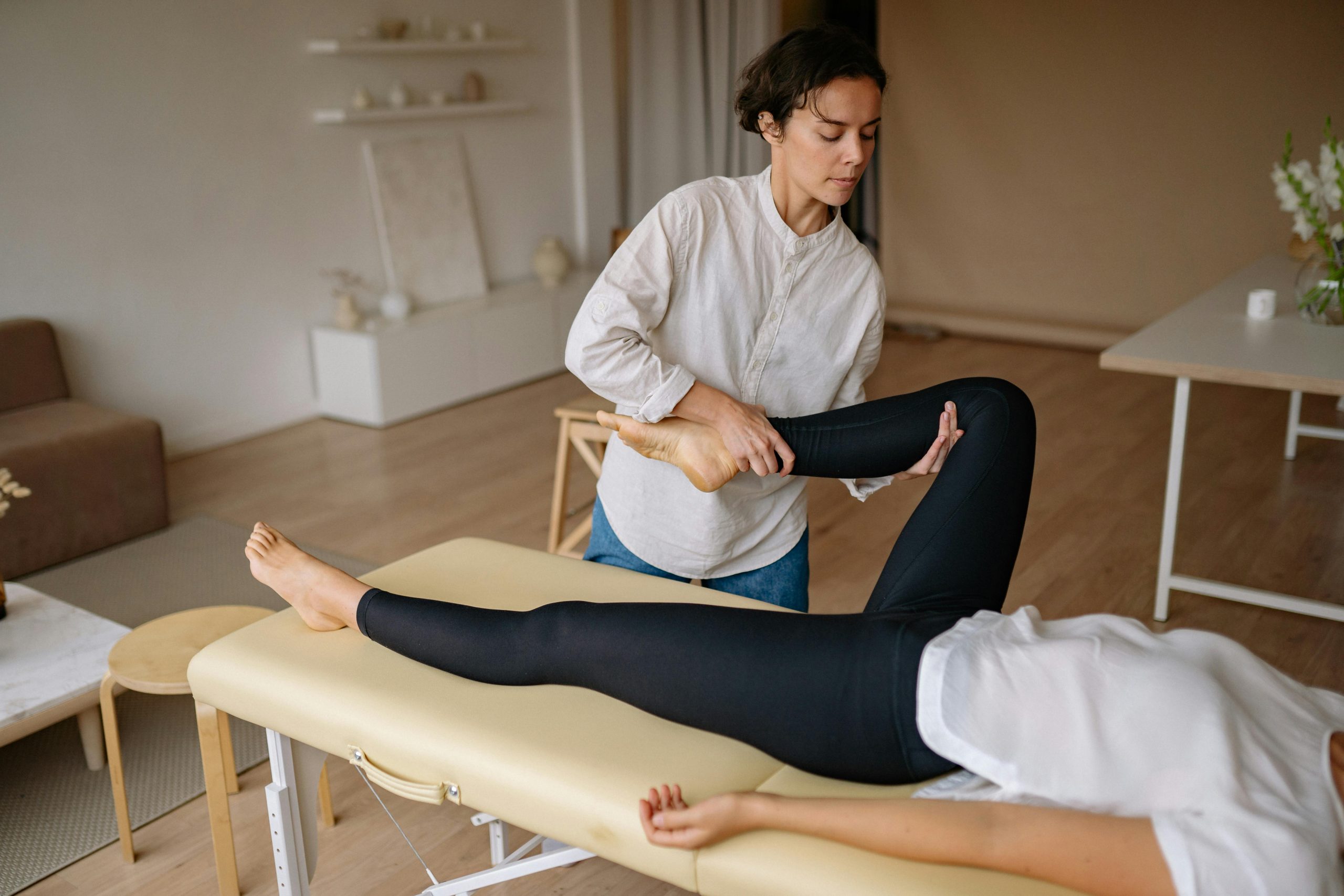
Massage therapy is a beneficial treatment for stroke recovery. Regular massage helps improve circulation, reduce muscle tension, and promote relaxation, which can aid in the rehabilitation process. Charel Spa and Massage offers specialized massage techniques designed to enhance recovery, improve flexibility, and reduce pain. Therapeutic massage can also help reduce anxiety and improve sleep quality, which are important aspects of recovery.
10. Mental Health Support
Stroke survivors often face emotional and psychological challenges, such as depression, anxiety, or frustration. Seeking mental health support through counseling, support groups, or therapy is essential to address these challenges. A strong support system can help stroke survivors cope with the emotional impact of their condition and improve their overall well-being.
How Charel Spa and Massage Can Aid Stroke Recovery
Massage therapy from Charel Spa and Massage offers numerous benefits for stroke survivors. Here’s how it can help:
- Improved Circulation: Stroke survivors often experience poor circulation in the affected areas of the body. Massage therapy helps stimulate blood flow, ensuring that oxygen and nutrients are delivered to damaged tissues and muscles. This promotes faster healing and reduces swelling.
- Muscle Relaxation: After a stroke, muscles may become tense or stiff due to immobility or spasticity. Charel Spa’s massage therapists use techniques like Swedish massage or deep tissue massage to help relax these muscles and restore flexibility.
- Pain Relief: Many stroke survivors experience chronic pain, especially in the neck, shoulders, and back. Regular massage can alleviate this pain by reducing tension and promoting endorphin production, which naturally relieves pain.
- Reduced Anxiety and Stress: Stroke recovery can be mentally and emotionally taxing. Massage therapy provides relaxation and stress relief, helping to calm the nervous system and promote mental well-being. It also helps improve sleep quality, allowing stroke survivors to rest more deeply.
- Improved Range of Motion: Stroke survivors often struggle with limited movement in the affected limbs. Through massage, therapists can help improve joint flexibility and range of motion, making it easier for patients to regain mobility and independence.
- Increased Emotional Support: The physical touch and care provided during a massage session can offer emotional comfort. Massage therapy fosters a sense of connection and well-being, which can help stroke survivors cope with the emotional effects of their condition.
- Rehabilitation Assistance: Massage can be an important part of a comprehensive rehabilitation plan. Working alongside physical therapy, occupational therapy, and other treatments, massage supports the body’s natural healing process and helps stroke survivors achieve their recovery goals.
10 Benefits of Massage Therapy for Stroke Survivors
- Reduces muscle spasticity and tightness in the affected areas.
- Improves circulation and helps restore oxygen flow to tissues.
- Decreases pain by alleviating muscle tension and promoting relaxation.
- Enhances flexibility and range of motion in the affected limbs.
- Promotes relaxation by reducing stress and anxiety.
- Improves sleep quality by calming the nervous system.
- Boosts mood by releasing endorphins and promoting emotional well-being.
- Assists in muscle recovery by stimulating the healing process.
- Increases lymphatic drainage, reducing swelling and fluid retention.
- Supports emotional health by providing comfort and a sense of connection.
10 Tips for Stroke Recovery
- Follow your rehabilitation plan and attend all therapy sessions.
- Stay active by engaging in gentle exercises that promote mobility and strength.
- Eat a balanced diet to support brain health and recovery.
- Drink plenty of water to stay hydrated and aid healing.
- Take medications as prescribed to prevent further complications.
- Practice stress management techniques, such as yoga or meditation.
- Seek professional mental health support to manage emotional challenges.
- Incorporate massage therapy into your recovery routine for additional benefits.
- Take breaks and avoid overexerting yourself during recovery.
- Stay positive and set realistic recovery goals with your healthcare team.
Conclusion
Stroke recovery is a long and challenging journey, but with the right strategies, support, and treatment, it is possible to regain independence and improve quality of life. The 10 remedies discussed in this article, including physical therapy, healthy diet, medication adherence, and massage therapy, are crucial components of a comprehensive recovery plan. Charel Spa and Massage services offer additional support, helping stroke survivors alleviate pain, reduce stress, and promote overall healing. By combining medical treatments with complementary therapies like massage, stroke survivors can maximize their recovery and enjoy a better quality of life.
Meta Description:
Discover 10 remedies for stroke recovery, including the benefits of massage therapy, and learn how Charel Spa and Massage can enhance rehabilitation and improve overall well-being.
Keywords:
10 Remedies for Stroke, stroke recovery remedies, massage therapy for stroke survivors, benefits of massage for stroke, rehabilitation for stroke, stroke recovery tips, physical therapy for stroke, emotional support after stroke, improving circulation after stroke, relaxation techniques for stroke recovery, Charel Spa and Massage
Leave a Reply