Introduction
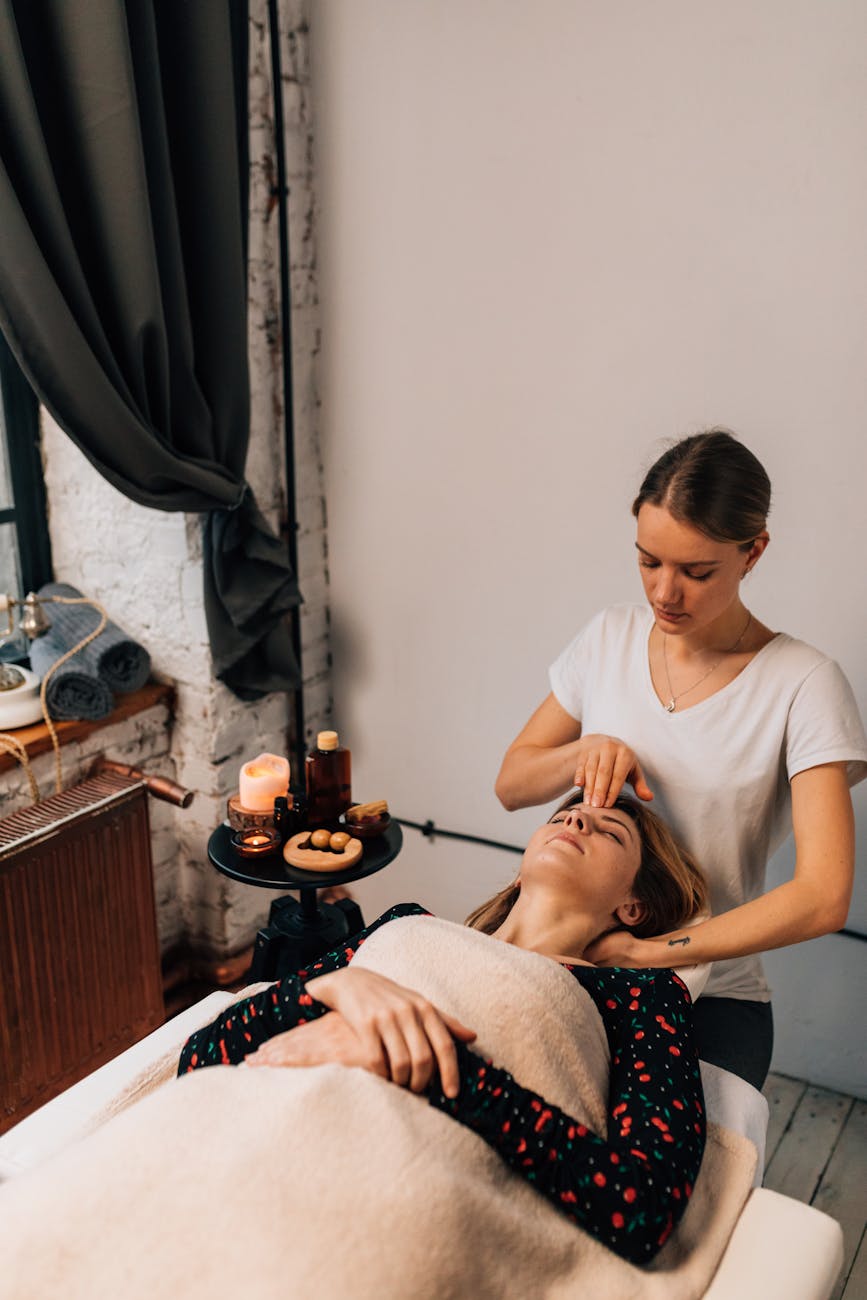
In today’s hectic world, mental health issues such as anxiety and depression are increasingly common. People from all walks of life struggle with these conditions, often seeking various treatments to alleviate their symptoms. One effective and natural approach that has gained recognition is massage therapy. This article will explore the profound connection between massage and mental health, focusing on how it can ease anxiety and depression. We will delve into the benefits of massage, the scientific evidence supporting its use, various techniques, and practical tips for incorporating massage into your mental health care routine.
Understanding Anxiety and Depression
What is Anxiety?
Anxiety is a normal response to stress, but when it becomes overwhelming and persistent, it can interfere with daily life. Symptoms of anxiety can include:
- Excessive Worry: Constant worry about various aspects of life.
- Physical Symptoms: Increased heart rate, sweating, trembling, and fatigue.
- Sleep Issues: Difficulty falling or staying asleep.
- Concentration Problems: Trouble focusing or thinking clearly.
What is Depression?
Depression is a mood disorder characterized by persistent feelings of sadness and loss of interest in activities once enjoyed. Symptoms of depression can include:
- Persistent Sadness: Ongoing feelings of sadness or emptiness.
- Loss of Interest: Lack of interest or pleasure in activities.
- Changes in Appetite and Sleep: Significant weight loss or gain, insomnia, or excessive sleeping.
- Fatigue: Feeling tired and lacking energy.
- Difficulty Concentrating: Trouble making decisions or focusing.
- Physical Symptoms: Unexplained aches and pains.
How Massage Eases Anxiety and Depression
Massage therapy offers numerous benefits that can help alleviate symptoms of anxiety and depression. Here’s how:
Physical Relaxation
- Muscle Tension Relief: Massage helps to relax tense muscles, which can reduce the physical symptoms of anxiety and depression.
- Improved Circulation: Enhanced blood flow delivers more oxygen and nutrients to tissues, promoting overall bodily relaxation.
- Pain Relief: Alleviates chronic pain and discomfort that can exacerbate mental health issues.
Mental Relaxation
- Reduced Stress Hormones: Massage lowers levels of cortisol, a stress hormone, which can help reduce anxiety.
- Increased Serotonin and Dopamine: Boosts levels of these neurotransmitters, which are associated with mood regulation and a sense of well-being.
- Calm Mind: The soothing touch of massage helps to quiet the mind, reducing mental chatter and promoting a sense of calm.
Emotional Benefits
- Sense of Connection: The human touch involved in massage can provide a sense of connection and support, which is particularly beneficial for those feeling isolated or lonely.
- Improved Mood: Regular massage can lead to improvements in mood and overall emotional health.
- Enhanced Self-Esteem: Feeling cared for and nurtured can enhance self-esteem and self-worth.
Scientific Evidence Supporting Massage for Mental Health
Numerous studies support the benefits of massage therapy for easing anxiety and depression:
- Reduced Anxiety: Research shows that massage therapy can significantly reduce symptoms of anxiety, with some studies indicating reductions of up to 50%.
- Decreased Depression: Studies have found that massage therapy can decrease symptoms of depression, often with effects comparable to psychotherapy and medication.
- Improved Mood and Relaxation: Evidence suggests that massage therapy can enhance mood and relaxation, promoting a sense of well-being and mental clarity.
Types of Massage Techniques for Easing Anxiety and Depression
Different types of massage techniques can be particularly effective for mental health. Here are some of the best options:
Swedish Massage
Swedish massage is one of the most popular and widely practiced types of massage. It involves long, flowing strokes, kneading, and circular movements on the topmost layers of muscles. Benefits include:
- Deep Relaxation: Promotes overall relaxation and reduces stress.
- Improved Circulation: Enhances blood flow and oxygen delivery to tissues.
- Gentle and Soothing: Ideal for those new to massage or looking for a gentle, calming experience.
Aromatherapy Massage
Aromatherapy massage combines the benefits of massage with the therapeutic properties of essential oils. Benefits include:
- Enhanced Relaxation: Essential oils such as lavender, chamomile, and sandalwood are known for their calming and mood-lifting properties.
- Mood Improvement: Certain oils can uplift mood and reduce symptoms of anxiety and depression.
- Holistic Experience: Provides a deeply soothing and immersive experience.
Reflexology
Reflexology is a type of massage that focuses on specific pressure points on the feet, hands, and ears that correspond to different organs and systems in the body. Benefits include:
- Stress Reduction: Stimulating pressure points can promote relaxation and reduce stress.
- Energy Balance: Balances the body’s energy flow and promotes overall well-being.
- Symptom Relief: Can help alleviate symptoms related to anxiety and depression.
Shiatsu
Shiatsu is a Japanese massage technique that uses finger pressure on specific points of the body to balance energy and promote self-healing. Benefits include:
- Energy Balance: Balances the body’s energy flow and promotes relaxation.
- Stress Relief: Reduces stress and promotes a sense of well-being.
- Holistic Health: Enhances overall health by addressing imbalances in the body.
Craniosacral Therapy
Craniosacral therapy involves gentle manipulation of the skull and spine to balance the body’s systems. Benefits include:
- Deep Relaxation: Promotes profound relaxation and reduces stress.
- Emotional Release: Can help release emotional tension and improve mental clarity.
- Pain Relief: Alleviates chronic pain that can contribute to anxiety and depression.
Incorporating Massage into Your Mental Health Care Routine
To fully experience the benefits of massage for mental health, consider these tips:
Finding the Right Therapist
- Qualifications and Experience: Look for a licensed and certified massage therapist with experience in addressing mental health issues.
- Specializations: Choose a therapist who specializes in the type of massage that best suits your needs.
- Comfort Level: Ensure you feel comfortable and safe with your therapist. Communication is key.
Creating a Relaxing Environment
- Comfortable Space: Ensure your massage environment is comfortable, with appropriate lighting and temperature.
- Aromatherapy: Use essential oils to enhance relaxation and create a calming atmosphere.
- Soothing Music: Listen to relaxing music during your massage to promote relaxation.
Regular Sessions
- Consistency: Aim for regular massage sessions, such as once a week or bi-weekly, to maintain the benefits.
- Evening Sessions: Schedule massages in the evening to promote relaxation and prepare your body for sleep.
Practical Tips for Maximizing the Benefits of Massage
To maximize the benefits of massage for mental health, consider these additional tips:
- Stay Hydrated: Drink plenty of water before and after your massage to help flush out toxins released during the massage.
- Mindfulness Practices: Incorporate mindfulness, deep breathing, or meditation into your daily routine to enhance relaxation.
- Gentle Stretching: Practice gentle stretching or yoga to maintain muscle flexibility and promote relaxation.
- Healthy Lifestyle: Maintain a healthy lifestyle with a balanced diet, regular exercise, and adequate sleep to support your overall mental health.
- Professional Guidance: Consult with a healthcare professional or mental health therapist to develop a comprehensive mental health care plan that includes massage therapy.
Real-Life Testimonials
Many individuals have experienced the transformative benefits of massage for mental health:
- Emily’s Story: “After struggling with anxiety for years, I decided to try massage therapy. The difference it has made is incredible. I feel more relaxed, my sleep has improved, and my anxiety levels have significantly decreased.”
- John’s Experience: “Dealing with depression has been a constant battle. Regular massages have provided a much-needed escape, helping me to relax and improve my mood. It’s become an essential part of my mental health routine.”
- Sarah’s Journey: “As a busy professional, stress and anxiety were taking a toll on my mental health. Aromatherapy massages have been a game-changer, providing deep relaxation and reducing my anxiety. I feel more balanced and at peace.”
Common Questions and Concerns
Will it hurt?
- Swedish Massage: Generally not painful and should be very relaxing.
- Deep Tissue Massage: Can be more intense and may cause discomfort, but should not be overly painful. Communicate with your therapist about your pain threshold.
- Aromatherapy Massage: Typically very gentle and soothing.
Can I talk during the massage?
It’s up to you. Some people find it relaxing to chat, while others prefer silence. Your therapist will follow your lead.
What if I fall asleep?
Falling asleep during a massage is common and indicates deep relaxation. Your therapist will continue the session without interruption.
How often should I get a massage?
The frequency depends on your individual needs and goals. Some people benefit from weekly sessions, while others find bi-weekly or monthly massages sufficient. Discuss your needs with your therapist to develop a suitable schedule.
Tips for Finding a Qualified Massage Therapist
To find a qualified massage therapist who can effectively address anxiety and depression, consider these tips:
- Research: Look for therapists with good reviews and testimonials from previous clients.
- Ask for Recommendations: Seek recommendations from friends, family, or healthcare providers.
- . Initial Consultation: Schedule an initial consultation to discuss your needs, goals, and any concerns you may have.
Conclusion
Massage therapy plays a crucial role in easing anxiety and depression, offering numerous physical, mental, and emotional benefits. By incorporating regular massage sessions into your mental health care routine, you can experience reduced stress, improved mood, and enhanced overall well-being. Whether you opt for Swedish massage, aromatherapy, reflexology, or another technique, the key is to find what works best for you and to maintain consistency. Remember, mental health is a journey, and massage therapy can be a valuable and enjoyable part of that journey.
Meta Description
Explore how massage therapy can ease anxiety and depression. Learn about the benefits, scientific evidence, techniques, and tips for incorporating massage into your mental health care routine.
Keywords
massage therapy for anxiety and depression, benefits of massage for mental health, how massage reduces anxiety, massage techniques for mental health, Swedish massage for depression relief, aromatherapy massage benefits for mental health, reflexology for anxiety, shiatsu massage for emotional well-being, craniosacral therapy for stress relief, massage therapy for improving mood
Leave a Reply