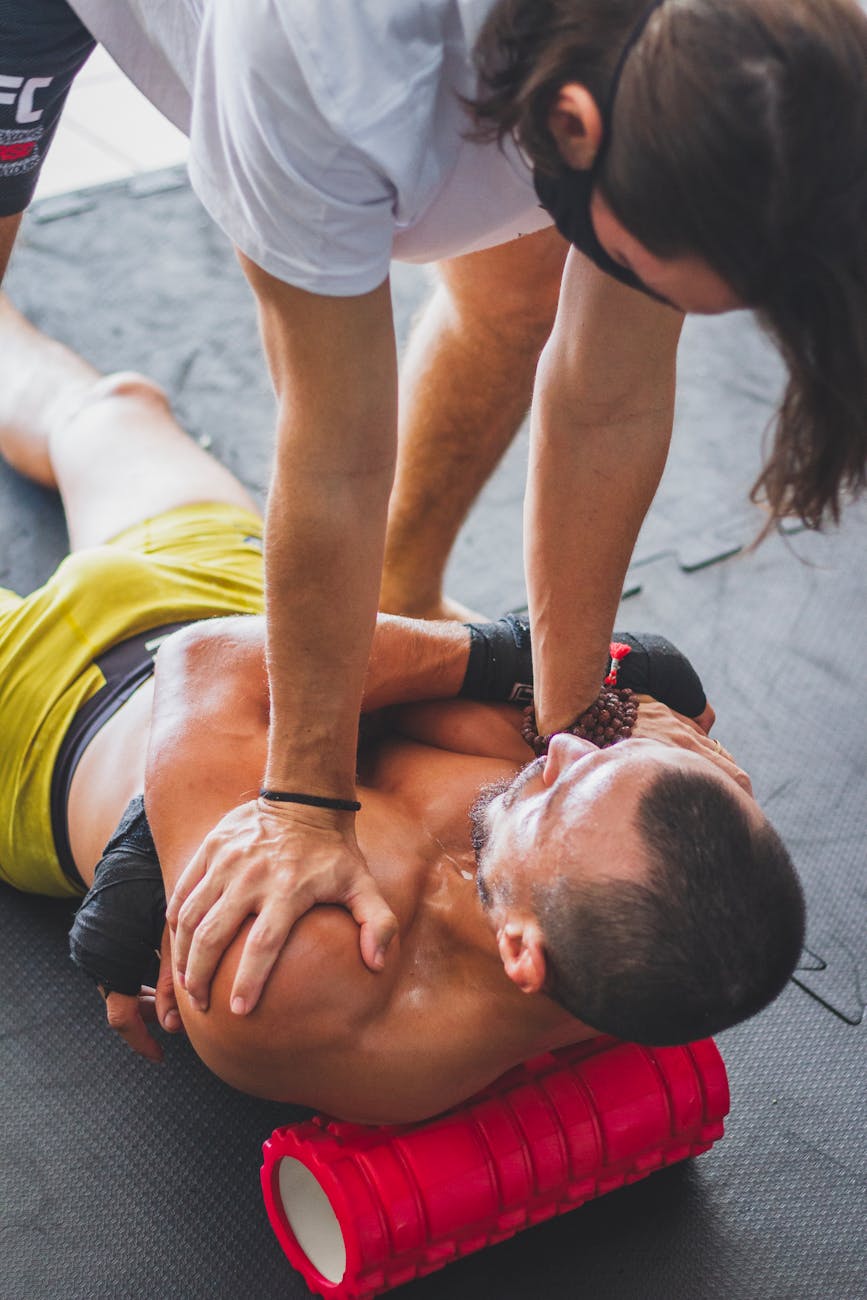
Introduction
In the world of sports and physical fitness, recovery is just as important as training. Athletes at all levels understand that without proper recovery, the risk of injury increases, and performance can suffer. One of the most effective and increasingly popular methods of enhancing sports recovery is massage therapy. This article will delve into the role of massage in sports recovery, exploring how it benefits athletes, the different types of sports massages, and practical tips for integrating massage into a regular recovery routine.
Understanding Sports Recovery
Importance of Recovery
Recovery is the process by which the body repairs and strengthens itself after exercise. It is essential for:
- Muscle Repair: Healing micro-tears in muscle fibers caused by intense physical activity.
- Glycogen Replenishment: Restoring glycogen levels that are depleted during exercise.
- Injury Prevention: Reducing the risk of injuries that can occur due to overuse or fatigue.
- Performance Enhancement: Ensuring that the body is ready for the next training session or competition.
Components of Effective Recovery
Effective recovery encompasses various elements, including:
- Rest: Allowing time for the body to heal and rebuild.
- Nutrition: Consuming the right nutrients to support muscle repair and energy replenishment.
- Hydration: Maintaining adequate fluid levels to support bodily functions.
- Active Recovery: Engaging in low-intensity activities that promote blood flow and reduce stiffness.
- Massage Therapy: Using targeted techniques to enhance recovery and reduce muscle soreness.
How Massage Enhances Sports Recovery
Massage therapy offers numerous benefits that directly contribute to sports recovery. Here’s how:
Muscle Relaxation and Tension Relief
- Reduced Muscle Soreness: Massage helps to alleviate delayed onset muscle soreness (DOMS), which often occurs 24-72 hours after intense exercise.
- Decreased Muscle Stiffness: By relaxing tight muscles, massage reduces stiffness and improves range of motion.
Improved Circulation
- Enhanced Blood Flow: Massage stimulates blood flow, delivering more oxygen and nutrients to muscles and removing waste products such as lactic acid.
- Lymphatic Drainage: Promotes the removal of toxins and metabolic waste through the lymphatic system, reducing swelling and inflammation.
Pain Relief
- Trigger Point Therapy: Targets specific areas of muscle tightness (knots) to reduce pain and improve muscle function.
- Endorphin Release: Massage stimulates the release of endorphins, the body’s natural painkillers, promoting a sense of well-being and reducing pain perception.
Psychological Benefits
- Stress Reduction: Reduces levels of cortisol, a stress hormone, and increases serotonin and dopamine, neurotransmitters that enhance mood and relaxation.
- Mental Clarity: Helps athletes to mentally unwind and focus, contributing to better performance and concentration.
Types of Sports Massage
Different types of massage techniques can be particularly effective for sports recovery. Here are some of the most beneficial options:
Deep Tissue Massage
Deep tissue massage focuses on the deeper layers of muscle and connective tissue. It uses slow strokes and deep pressure to target chronic tension and muscle knots. Benefits include:
- Enhanced Muscle Recovery: Breaks down adhesions and scar tissue that can form after intense exercise.
- Pain Reduction: Alleviates chronic pain and muscle tightness, promoting faster recovery.
Swedish Massage
Swedish massage involves long, flowing strokes, kneading, and circular movements on the topmost layers of muscles. Benefits include:
- Relaxation: Promotes overall relaxation and reduces stress.
- Improved Circulation: Enhances blood flow and oxygen delivery to muscles.
Sports Massage
Sports massage is specifically designed for athletes and focuses on areas of the body that are overused and stressed from repetitive and often aggressive movements. Benefits include:
- Injury Prevention: Helps to identify and address muscle imbalances and tightness before they lead to injury.
- Performance Enhancement: Prepares the body for peak performance and aids in post-event recovery.
Myofascial Release
Myofascial release targets the fascia, the connective tissue that surrounds muscles and organs. This technique involves applying gentle, sustained pressure to release tension and improve mobility. Benefits include:
- Improved Flexibility: Enhances range of motion and reduces stiffness.
- Pain Relief: Alleviates chronic pain and tightness in the fascia.
Trigger Point Therapy
Trigger point therapy focuses on specific points of muscle tightness (trigger points) that can cause pain in other parts of the body. Benefits include:
- Pain Reduction: Targets and alleviates trigger points, reducing referred pain and improving muscle function.
- Improved Muscle Performance: Enhances muscle performance by relieving tightness and improving flexibility.
Incorporating Massage into a Sports Recovery Routine
To maximize the benefits of massage for sports recovery, consider these tips:
Finding the Right Therapist
- Qualifications and Experience: Look for a licensed and certified massage therapist with experience in sports massage.
- Specializations: Choose a therapist who specializes in the type of massage that best suits your needs.
- Comfort Level: Ensure you feel comfortable and safe with your therapist. Communication is key.
Timing of Massage
- Pre-Event Massage: Helps to prepare the muscles for activity, enhancing performance and reducing the risk of injury.
- Post-Event Massage: Aids in recovery by reducing muscle soreness and stiffness.
- Regular Maintenance: Incorporate regular massage sessions into your routine to maintain muscle health and prevent injuries.
Self-Care Between Sessions
- Hydration: Drink plenty of water to help flush out toxins released during the massage.
- Stretching: Incorporate gentle stretching into your daily routine to maintain muscle flexibility.
- Active Recovery: Engage in low-intensity activities such as walking or yoga to promote blood flow and reduce stiffness.
Scientific Evidence Supporting Massage for Sports Recovery
Numerous studies support the benefits of massage therapy for sports recovery:
- Reduced Muscle Soreness: Research shows that massage therapy can significantly reduce DOMS, helping athletes recover faster and perform better.
- Improved Circulation: Studies indicate that massage enhances blood flow, promoting the delivery of oxygen and nutrients to muscles.
- Pain Relief: Evidence suggests that massage therapy is effective in reducing chronic pain and muscle tightness.
- Enhanced Flexibility: Research demonstrates that massage can improve flexibility and range of motion, reducing the risk of injuries.
Real-Life Testimonials
Many athletes have experienced the transformative benefits of massage for sports recovery:
- Tom’s Story: “As a marathon runner, I often struggle with muscle soreness and fatigue. Regular sports massages have helped me recover faster and perform better in my races.”
- Sarah’s Experience: “After a shoulder injury, I started getting deep tissue massages. They’ve been crucial in my recovery, helping to alleviate pain and improve my range of motion.”
- Mark’s Journey: “As a professional soccer player, maintaining peak performance is essential. Sports massage has become a vital part of my recovery routine, keeping my muscles healthy and reducing the risk of injury.”
Common Questions and Concerns
Will it hurt?
- Deep Tissue Massage: Can be more intense and may cause discomfort, but should not be overly painful. Communicate with your therapist about your pain threshold.
- Swedish Massage: Generally not painful and should be very relaxing.
- Sports Massage: Can vary in intensity. Let your therapist know your preferences and pain tolerance.
How often should I get a massage?
The frequency depends on your individual needs and goals. Some athletes benefit from weekly sessions, while others find bi-weekly or monthly massages sufficient. Discuss your needs with your therapist to develop a suitable schedule.
Can I combine massage with other recovery techniques?
Absolutely! Combining massage with other recovery techniques such as stretching, foam rolling, hydration, and proper nutrition can enhance overall recovery and performance.
Practical Tips for Maximizing the Benefits of Massage
To maximize the benefits of massage for sports recovery, consider these additional tips:
- Warm-Up Before Massage: Engage in light physical activity to warm up your muscles before a massage session.
- Communicate with Your Therapist: Provide feedback during and after the session to help your therapist adjust their techniques for your comfort and benefit.
- Stay Hydrated: Drink plenty of water before and after your massage to aid in the removal of toxins from your muscles.
- Rest and Recovery: Allow time for rest and recovery after a massage, especially if it was an intense session.
- Maintain a Healthy Lifestyle: Follow a balanced diet, get adequate sleep, and engage in regular exercise to support your overall recovery and performance.
Conclusion
Massage therapy plays a crucial role in sports recovery, offering numerous benefits that enhance muscle repair, reduce soreness, improve circulation, and promote relaxation. Whether you are a professional athlete or a fitness enthusiast, incorporating regular massage sessions into your recovery routine can help you achieve better performance, prevent injuries, and maintain overall well-being. By understanding the different types of massage and how they can benefit your specific needs, you can optimize your recovery process and enjoy a healthier, more active lifestyle.
Meta Description
Discover the essential role of massage in sports recovery. Learn about the benefits, types of sports massage, and practical tips for incorporating massage into your routine to enhance performance and reduce muscle soreness.
Keywords
benefits of massage for sports recovery, sports massage therapy benefits, types of massage for athletes, deep tissue massage for muscle recovery, Swedish massage for sports recovery,
Leave a Reply